Chicken Road Real Money — UK Rules, Licensed Sites & What Actually Changes
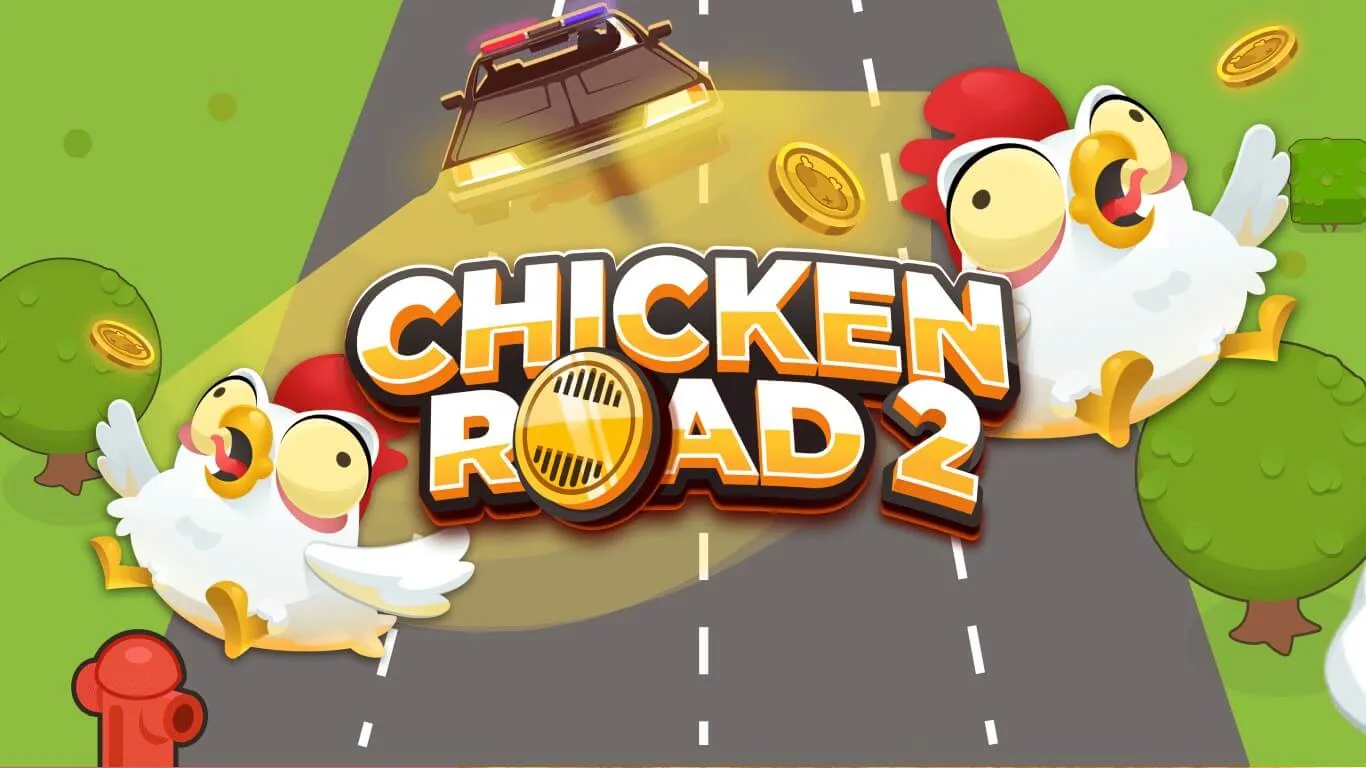
The chicken steps onto the first lane. The multiplier ticks from ×1.00 upward. A car slides across the second lane — you wait, then tap Forward. The multiplier climbs. Another lane clear. You can cash out now or push for one more row. That decision, lane by lane, is the entire game.
Chicken Road is an InOut crash-style instant built around road-crossing: 18 to 30 lanes depending on difficulty, random traffic on each, and a cash-out button you control. If you play it for real money in the UK, three things change immediately: the stake you can wager per round, the checks that happen when you deposit, and the speed at which you can pull winnings back out. This page walks through what the UKGC regulation means for you, which sites actually hold a remote licence, and how the signup-to-withdrawal journey works when the game sits inside a UK-legal casino.
Myth versus fact: what the UK regulator actually controls
The first question most players ask is whether Chicken Road is legal here. The game itself is legal; what matters is the operator serving it. Every site taking bets from British players must hold a UK Gambling Commission remote licence. If the licence number is missing from the footer, or the site is not in the UKGC public register, it is illegal to market or use that service in the UK — and you have no consumer protection if something goes wrong.
The second myth is that crash games are somehow exempt from the £5 stake cap. They are not. Since April 2020, every slot and instant game on a UKGC-licensed site has been limited to £5 per spin or round. If you are 18 to 24, that cap drops to £2. Chicken Road counts as an instant game, so the cap applies to every bet you place, regardless of difficulty level.
The third misunderstanding is around affordability checks. From April 2025, operators must check your finances if you deposit a net £150 or more in a month. The first stage uses credit-reference data; higher thresholds trigger deeper checks. This is not optional for the operator, and it is not a sign that you have done something wrong — it is a regulatory requirement that applies to every account.
Finally, there is no such thing as a Chicken Road APK for real money in the UK. The game runs in the browser or as a web app. Google Play and the App Store both allow UK gambling apps from licensed operators, but InOut titles are usually embedded inside the casino site rather than distributed as standalone downloads.
Four examples from the licensed market — and their weak points
These are examples, not endorsements. Each operator holds a UKGC remote licence; each has a different balance of speed, game library and payment friction.
- Operator A has a large instant-game library and fast Faster Payments withdrawals — often same-day once you are verified. The weak point is that KYC can take 48 hours on the first withdrawal, and the site asks for a lot of documents if you deposit more than £500 in a month.
- Operator B offers PayPal deposits and withdrawals, which many players prefer for speed and familiarity. The downside is that the welcome bonus has a 50× wagering requirement, and Chicken Road contributes only 10% toward clearing it.
- Operator C lists the full InOut catalogue, including both Chicken Road and Chicken 2 Road. The trade-off is that the minimum withdrawal is £20, and e-wallet payouts can take up to 24 hours even after verification.
- Operator D has a clean interface and a low minimum deposit of £5. The catch is that the maximum bet on instants is capped at £100 per round, well below the game's £200 technical limit, and customer support is email-only outside business hours.
Check the UKGC register before you sign up. Match the licence number in the footer to the entry in the public database. If the numbers do not align, do not deposit.
Checklist: what to confirm before you deposit
- UKGC licence number in the footer, and a matching entry in the Commission's public register.
- GAMSTOP participation confirmed in the safer-gambling section of the site.
- Payment methods in your own name — credit cards are banned for gambling since 2020.
- Stake caps visible in the game lobby: £5 per round for most players, £2 if you are 18 to 24.
- KYC timeline stated in the terms: expect 24 to 48 hours for age and identity checks, and document requests before the first withdrawal.
- Withdrawal methods and timescales listed clearly: e-wallets are fastest, Faster Payments are common, debit-card returns take one to three working days.
Signup, verification, deposit and finding the game
Registration starts with basic details: name, date of birth, address, email and mobile number. The site will check your age and identity against credit-reference and public databases before you can deposit. This is called the first-stage verification. If the automated check cannot confirm your details, you will be asked to upload a photo of your passport or driving licence.
Once you are verified, you can make a deposit. The minimum is usually £5 to £10. Choose a payment method in your own name: debit card, PayPal, Apple Pay, Open Banking via Trustly, or paysafecard. Credit cards are banned. The deposit lands instantly in most cases.
Finding Chicken Road depends on how the casino organises its lobby. Look under Instant Games, Crash Games, or InOut as a provider filter. Some sites list both Chicken Road and Chicken 2 Road as separate entries; the mechanics are identical. If you cannot find the game, use the site search or ask customer support — not every UKGC operator carries the full InOut catalogue.
Demo play is common, but many UKGC sites restrict free play to logged-in, age-verified accounts. If you want to test the lane timing and cash-out rhythm before you bet real money, sign up and complete the age check first.
How deposits, affordability checks and withdrawals actually work
Deposit limits are mandatory on every UKGC site. You will be prompted to set a daily, weekly or monthly limit during registration. You can lower the limit at any time; increases take 24 hours to apply.
Affordability checks start when your net deposits reach £150 in a month. The operator runs a credit-reference check in the background. If the data suggests you may be spending beyond your means, the site will pause your account and ask for evidence of income — payslips, bank statements, or tax returns. This is not a punishment; it is a regulatory safeguard. Higher deposit levels — typically £1,000 to £2,000 a month — trigger deeper checks.
Withdrawals require full KYC before the first payout. Expect to upload a photo of your ID, a recent utility bill or bank statement showing your address, and sometimes a selfie holding your ID. The review takes 24 to 48 hours. After that, most withdrawals are faster:
Some operators reverse the deposit route automatically — if you deposited by debit card, the first withdrawal goes back to that card. Others let you choose. Check the terms before you request a payout.
What changes specifically for Chicken Road under UK rules
The game's technical limits are a £0.12 minimum bet and a £200 maximum bet per round, with a £20,000 maximum win. In practice, the £5 stake cap means you will never place a £200 bet on a UKGC site. If you are 18 to 24, the cap is £2. This flattens the variance: you cannot chase a single high-multiplier lane sequence with a large stake.
The four difficulty levels — Easy (30 lanes), Medium (25 lanes), Hard (22 lanes) and Hardcore (18 lanes) — are unchanged. What changes is the session dynamic. The £5 cap means you need either a long winning streak or a very high multiplier to build a significant balance. A ×10.00 cash-out on a £5 bet returns £50; a ×50.00 cash-out returns £250. Those multipliers are possible on Hardcore, but the random traffic makes deep runs rare.
Provably fair verification is available in the game client. After each round, you can check the server seed, client seed and nonce to confirm the outcome was not manipulated. This is standard for crash games, but it is worth using if you play high-variance strategies on Hardcore difficulty.
Session limits and reality checks are mandatory. The site will show you a time or spend prompt every 30 to 60 minutes. You can set your own session limits in the account settings. If you want to block yourself entirely, GAMSTOP is the national self-exclusion scheme — one registration locks you out of every UKGC-licensed site for six months to five years.
FAQ
Can I play Chicken Road for real money in the UK without a UKGC-licensed site?
No. It is illegal for unlicensed operators to market gambling services to British players, and you have no consumer protection if the site fails to pay out or disappears. Only use sites with a UKGC licence number in the footer and a matching entry in the Commission's public register.
Why is the maximum bet £5 when the game supports £200?
The UKGC introduced a £5 stake cap per spin or round for all slots and instant games in April 2020. If you are 18 to 24, the cap is £2. The game's technical limit of £200 applies in jurisdictions without stake caps; UK-licensed sites enforce the lower regulatory limit.
How long does the first withdrawal take, and what documents do I need?
The first withdrawal requires full KYC: photo ID, proof of address, and sometimes a selfie. The review takes 24 to 48 hours. After that, e-wallets pay out in a few hours to 24 hours, Faster Payments in the same day to two working days, and debit cards in one to three working days.
What happens if I deposit more than £150 in a month?
From April 2025, operators must run affordability checks when your net deposits reach £150 a month. The first stage uses credit-reference data. If the data raises concerns, the site will pause your account and ask for proof of income. Higher thresholds trigger deeper checks. This is a regulatory requirement, not a discretionary policy.