
These games operate on provably fair algorithms, offer instant results, and require no complex strategy. Yet beneath the cartoonish veneer lies a risk-versus-reward calculation familiar to any gambler: when to take the money and when to push for one more step. In this section, we review the standout titles—Chicken Road and Chicken Road 2 from InOut Games—and explain how to approach them sensibly.
Games tested: chicken games

- Chicken Road — The original that set the template: clean interface, transparent multipliers, and a demo mode that lets you practise without pressure.
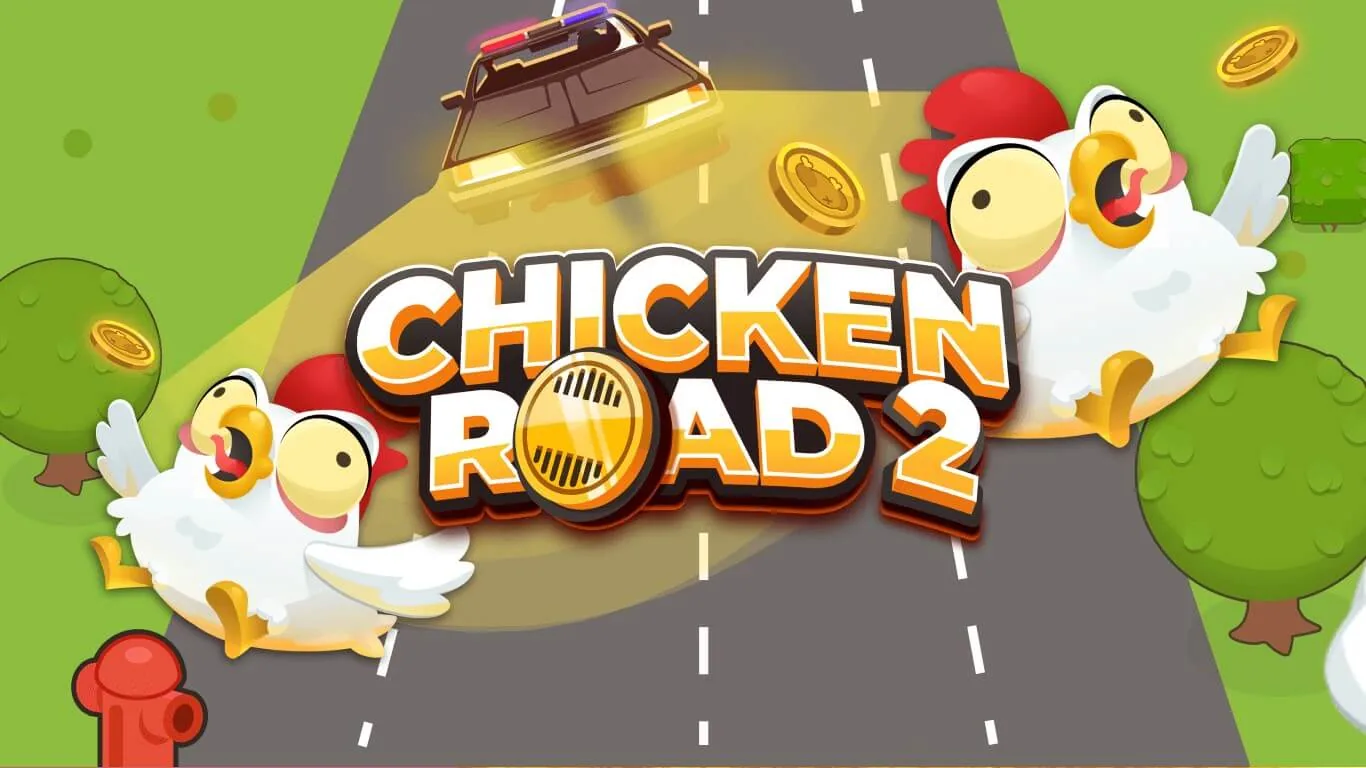
- Chicken Road 2 — Adds visual polish and slightly adjusted pacing while preserving the core mechanics that made the first version popular.
Comparison table
| Game | Provider | Principle | Who It Suits |
|---|---|---|---|
| Chicken Road | InOut Games | Guide a chicken across lanes; cash out or risk collision for higher multipliers | Beginners and players who prefer straightforward mechanics and transparent multipliers |
| Chicken Road 2 | InOut Games | Refined version with improved visuals and adjustable difficulty; same core loop | Players familiar with the original who want a polished experience and more control over volatility |
What Are Chicken Games?
Chicken games are single-player mini-games in which you control a character—almost always a cartoon chicken—attempting to cross a multi-lane road or grid filled with moving obstacles. Each successful step forward increases a multiplier applied to your initial stake. You decide when to stop and collect, or continue and risk losing everything if the chicken is hit.
The format draws obvious inspiration from arcade classics, but the gambling layer is what defines the genre. There are no skill-based reflexes here: obstacles move in predetermined or randomised patterns governed by a certified random number generator. Your only decision is whether to cash out or advance. This simplicity makes chicken games accessible to new players while still offering enough volatility to interest seasoned gamblers.
Most operators host these games in a 'mini-games' or 'instant win' category alongside crash games and dice. They run in-browser, load quickly, and settle bets in seconds, making them suited to short sessions or mobile play.
How the Mechanics Work
You begin each round by selecting a stake. The chicken starts at the bottom of the screen, and you click or tap to move it one row forward. Each row crossed multiplies your potential payout—typically by a small increment, often between 1.1× and 1.5× per step, though this varies by game and difficulty setting.
Obstacles—usually cars, lorries, or other hazards—move horizontally across the lanes. If your chicken collides with one, the round ends immediately and your stake is lost. If you reach a safe zone or decide to cash out mid-journey, your stake is multiplied by the current multiplier and credited to your balance.
Some versions, including Chicken Road 2, let you adjust difficulty by changing the number of lanes or obstacle density. Higher difficulty increases potential multipliers but also raises the likelihood of collision. The game's RNG determines obstacle timing and spacing, and each round is independent—previous results have no bearing on the next.
Choosing the Right Variant and Difficulty
If you are new to the format, start with the original Chicken Road in its default or 'easy' mode. The pacing is forgiving, multipliers are modest but achievable, and the interface is uncluttered. Once you understand the rhythm—when obstacles spawn, how much time you have between lanes—you can experiment with higher difficulty settings or try Chicken Road 2, which layers in slightly faster animations and a more modern aesthetic.
Difficulty settings are not purely cosmetic. A harder grid might offer a maximum multiplier of 10× or more, but the odds of reaching it drop sharply. An easier grid caps potential wins lower but lets you collect smaller multipliers more consistently. Neither is objectively better; your choice depends on whether you prefer frequent small wins or rarer big ones.
Pay attention to the stated RTP (return to player) if the operator publishes it. Chicken games typically sit in the mid-90s percentage-wise, meaning the house edge is modest but always present. Remember that RTP is an average over millions of rounds—short sessions can swing wildly either way.
Classic Mistakes
The most common error is chasing the maximum multiplier. It is tempting to push for one more lane when you are already ahead, but each additional step increases risk without proportionally increasing reward. A 5× multiplier secured is worth more than a 10× multiplier you never collect.
Another pitfall is treating chicken games as skill-based. No amount of timing or pattern recognition changes the RNG outcome. Believing you have 'learned' the obstacle rhythm leads to overconfidence and unnecessary losses. The game is probability, not reflexes.
Finally, many players ignore the cash-out button until it is too late. Hesitation often stems from hoping the next lane will be clear, but the decision should be made before you click to advance, not after. Set a target multiplier before the round starts and stick to it, adjusting only if you are willing to lose the entire stake.
Where to Practise: Demo Modes
Both Chicken Road and Chicken Road 2 are available in demo mode at partner casinos and through the InOut Games catalogue. Demo mode uses virtual credits and mirrors the real-money version exactly, including RNG behaviour and multiplier scaling. It is the single best way to understand pacing and test different difficulty settings without financial risk.
Use demo play to calibrate your cash-out instinct. Try cashing out after three lanes, then five, then eight, and observe how often you would have won versus lost. This empirical approach is more useful than any theoretical guide.
Be aware that demo mode can create false confidence. Winning streaks in practice do not predict real-money results, and the psychological pressure of actual stakes changes decision-making. Treat demos as a sandbox for learning rules and controls, not a forecast of future performance.
Responsible Play
Chicken games are designed for rapid rounds and instant gratification, which makes them particularly easy to play impulsively. Set a session budget before you start and stop when it is gone, regardless of whether you are ahead or behind. The speed of the format means losses can accumulate faster than with slower casino games.
Because these are games of chance with a built-in house edge, you will lose money over time if you play long enough. Treat any winnings as luck, not skill, and never gamble with money you cannot afford to lose. Chicken games are entertainment, not income, and should be approached accordingly.
If you find yourself chasing losses or playing beyond your means, use the self-exclusion and limit tools available at reputable online casinos. This content is intended for players aged 18 and over.
Frequently asked questions
Can I improve my odds by timing my moves?
No. Obstacle placement and timing are controlled by a certified RNG. The only decision that affects your result is when to cash out.
What is a typical RTP for chicken games?
Most chicken games, including those from InOut Games, operate in the 94–96 per cent range, though exact figures depend on difficulty settings and operator configuration.
Is it better to play on easy or hard difficulty?
Easy mode offers more consistent, smaller wins; hard mode offers higher maximum multipliers but lower success rates. Choose based on whether you prefer frequent payouts or rarer big hits.